
The Future of Fitness Tech: Trends Shaping the Wellness Industry in 2025
The tools that perform best are the ones that improve retention, expand personal training revenue, and reduce admin time without fragmenting the member experience. The future of the fitness industry is defined by technology, sustainability, and personalization. Brands that are investing in advanced gym equipment, eco gear, and smart fitness solutions will lead the industry. Using virtual environments, gamified challenges, and motion-tracking technology, they make exercise entertaining and addictive. This growing field allows equipment brands to partner with VR software and hardware developers to create fully integrated experiences.
As consumers search for seamless, digital-first ways to engage with their health beyond the walls of the gym, the real competition is who can deliver the most engaging connected fitness digital ecosystem. Explore our solutions at Train Your Pulse and stay ahead of the latest fitness tech trends. Internet of Things (IoT) fitness equipment, such as smart treadmills and connected weightlifting machines, are revolutionizing how workouts are tracked and optimized. For most gyms, the idea is to use VR as an engagement layer, not a replacement for coaching or your core offering. At RDX Sports, we believe in building that future, where performance, durability, and responsibility go hand in hand. Like in the past, price sensitivity will remain high, but consumers are willing to invest when they perceive tangible value, better results, a premium experience, or high durability.
Action Plan: Bringing Fitness Tech Into Your Gym
The industry is shifting away from large, cardio-dominated floors toward strength-focused layouts and functional zones. You must stay consistent with workouts, commit to long-term health goals, and challenge the body with progressive training to get effective results. This approach is suitable for attracting new members and increasing engagement and retention rates. It particularly resonates with Gen Z, who value tracking, social interaction, and performance comparison as key motivators in their fitness journey. Micro communities in gyms or boxing clubs create a space where members get personalized attention and feel supported and inspired. These communities offer accountability, motivation, and emotional connection that large chain gyms can’t replicate.
The Future: Staying Ahead Of The Curve
People are choosing more ethical products, and the same goes for new fitness equipment. With the focus on sustainability, the fitness industry is beginning to rethink how gyms, studios, and manufacturers operate. Functional Fitness Training includes strength, power, mobility and endurance movements designed to improve physical performance in real-world activities. Versatility makes it appropriate for youth, adults, older and athletic populations alike. Programs often emphasize movements such as squats, lunges and carries that transfer directly to daily life or sport. The baby boomer generation includes 73 million Americans, all of whom will be over age 65 by 2030, intensifying demand for age-appropriate, evidence-based exercise options.
ACSM Certification Board Expands Eligibility Pathway for Students in Programs Seeking CAAHEP Accreditation
A low-cost franchise, a premium lifestyle brand, and a boutique studio will each need very different approaches. In fact, some brands thrive by leaning into a retro, rugged identity where technology is intentionally minimal. But when modernization is misaligned – either underbuilt or overbuilt – members notice. ABC Glofox is built specifically for gyms that want a single system to manage operations, engagement, and growth. It brings member management, scheduling, payments, and communication into a single platform, while staying aligned with where fitness software is headed.
- People are more inclined to AI-powered coaching, eco-friendly equipment, and virtual workouts, which is why gyms and retailers are adding these fitness trends to their offerings.
- This elevates the trainer’s position from a service provider to a performance strategist who bridges human experience with technological intelligence.
- Soon, members will take for granted that their activity, recovery, and nutrition insights are automatically gathered and integrated.
- Despite its benefits, fewer than 30% of U.S. adults meet the recommended guidelines for muscle-strengthening activity.
- By integrating smart gym management software like Train Your Pulse, fitness businesses can automate engagement, personalize member experiences, and scale their offerings effectively.
- The baby boomer generation includes 73 million Americans, all of whom will be over age 65 by 2030, intensifying demand for age-appropriate, evidence-based exercise options.
Why Yoga Studios That Grow Think Like Brands
In 2023, there were 850 million fitness app downloads by nearly 370 million users. This popularity, along with complementing wearable technology, may have fueled the quick rise up the list. The fitness and wellness industry is evolving rapidly, with technology playing a pivotal role in shaping how people exercise, track their progress, and stay committed to a healthy lifestyle. As we enter 2025, fitness businesses, gym owners, and wellness professionals must adapt to new technologies to remain competitive and meet the ever-growing demands of their clients. With the progress of AI, the role of a personal trainer is also undergoing a transformation. This elevates the trainer’s position from a service provider to a performance strategist who bridges human experience with technological intelligence.
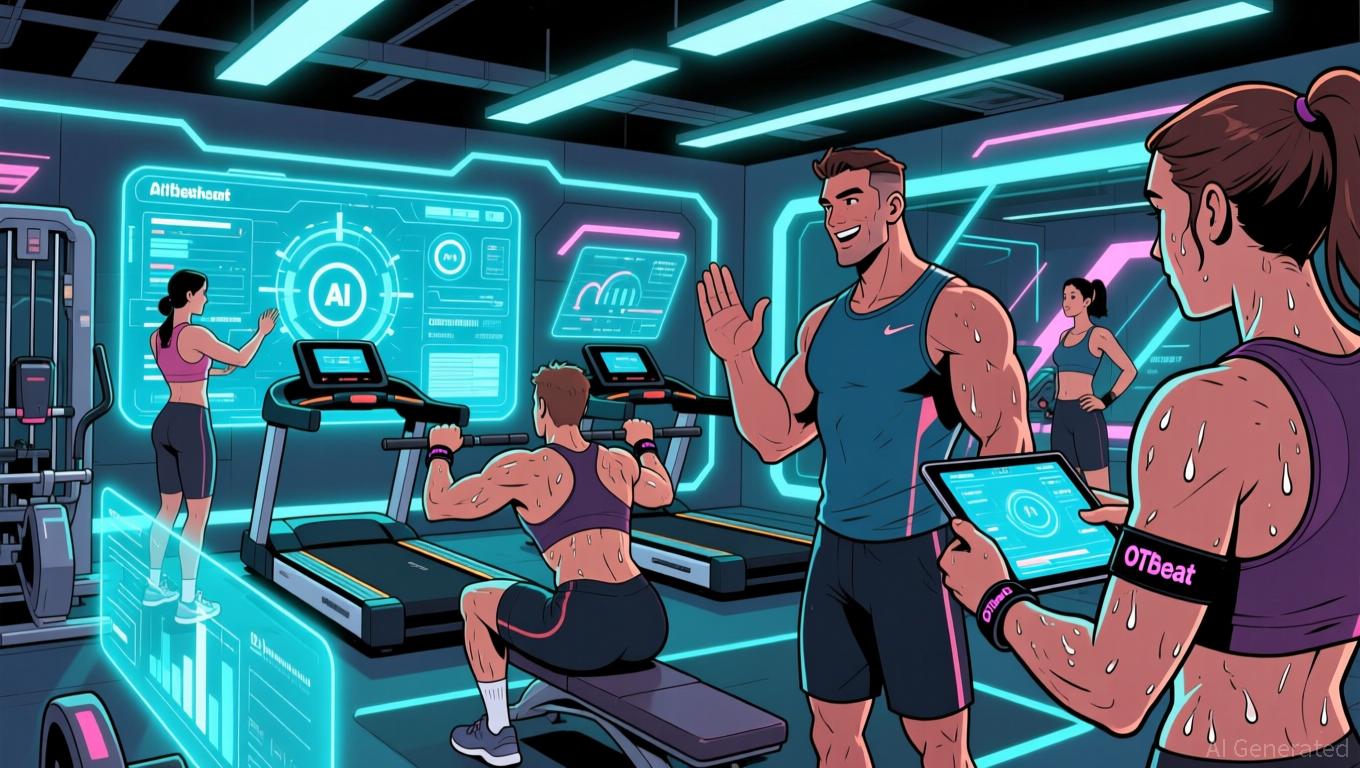
People are still lifting weights, running, training, and seeking healthier lives. The fitness industry how to choose a home workout app is now one of the most competitive markets in the world, spanning fitness franchises, boutique studios, connected equipment providers, and digital fitness platforms. Member expectations are higher than ever, and technology has become inseparable from how people experience fitness.
Smart Gym Equipment as Data Platforms
The hybrid system offers consistent engagement, higher retention, and the ability to scale your services across multiple channels. Personal trainers can monitor their progress remotely and suggest improvements. It’s a fitness ecosystem that knows when you are close to burning out, reminds members to rest before overtraining, and flags when your gear is nearing wearout.
Hybrid Fitness Model: Online, Offline, and On-Demand Training Integration
The future of fitness will belong to brands that treat modernization as an investment in digital value creation. Success won’t come from piling on more technology, but from building ecosystems that feel invisible to members – personalized, connected, and always on. Those that get it right will turn modernization from a cost into a business advantage. Digital fitness modernization is about making sure that all the apps, wearables, devices, and services people already use connect into a seamless ecosystem.

These platforms also enable the use of AI throughout the client journey and business operations. Every hour not wasted on tasks that can be delegated or automated protects margins, which is where the battle is today. Most gyms still burn hours on scheduling, billing follow-ups, onboarding tasks, and repetitive member questions. Used well, technology helps you transform your facility from a passive space into an active partner. With acquisition costs now up to 5x higher than retention costs, the real win is keeping members active long enough for your marketing to pay off. The examples of eco-friendly gear include recycled-plastic gym wear, organic cotton towels, bamboo fiber wraps, cork yoga mats, natural rubber grips, and vegan leather alternatives like Pinatex and Mylo.
App users tend to be younger, female, college-educated, and living in urban areas, with lower adoption observed among older adults and individuals with limited digital literacy. It’s shifting toward high tech fitness equipment, AI, and wearable tracking devices, which offer data, connectivity, and intelligence. It has created a new generation of innovative fitness ecosystems that redefine how people train, recover, and manage performance. Virtual and augmented reality technologies allow users a facility to redefine fitness sessions into immersive, interactive experiences. While VR and AR are already being utilized in fitness programs and rehabilitation, they optimize the overall body and make workouts more engaging.
Flexible, Convenient, and Safe Fitness Experiences
The report was published today by the American College of Sports Medicine in its November/December issue of ACSM’s Health & Fitness Journal®. Modernization in fitness does not mean reinventing business models or chasing new workout trends. The focus needs to be on the digital layer that surrounds the fitness experience.
Smart Fitness Technology: How AI, Wearables, and Data Are Transforming Workouts
The system considers factors such as completed workouts, effort, recovery, and goals, then automatically adjusts training over time. From an experience standpoint, connected equipment links home and gym training into a single system. Members can follow programs at home, continue them on the gym floor, and see a continuous training history.
Turnstiles management
Instead of limiting personalization to one-on-one sessions, you can enable your members to receive tailored programs based on what they actually do and their preferences. They can adjust intensity and recovery based on what the member actually did outside the gym. AI-powered assistants can reduce customer support workload by up to 40% by handling repeat inquiries, while staff spend more time on the floor doing the human work that drives retention. In the post-pandemic era, maintaining a clean, sanitized, and safe environment is non-negotiable. Members are drawn to gyms that show visible cleaning protocols, contactless systems, and equipment hygiene standards.